
Prompt Engineering for AI Automation
A free 9-lesson prompt engineering course. Learn the patterns behind reliable AI output, from few-shot prompts to RAG, then use them in a real n8n workflow.

Course curriculum
1
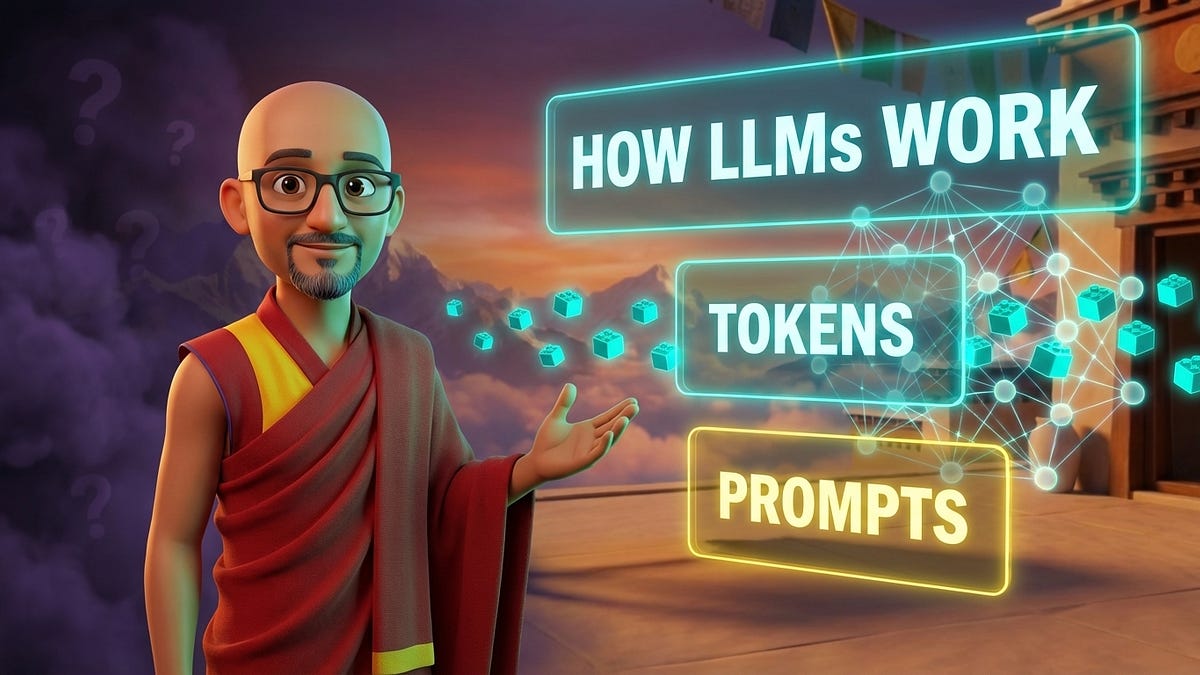
Foundation Patterns
3 lessons

2
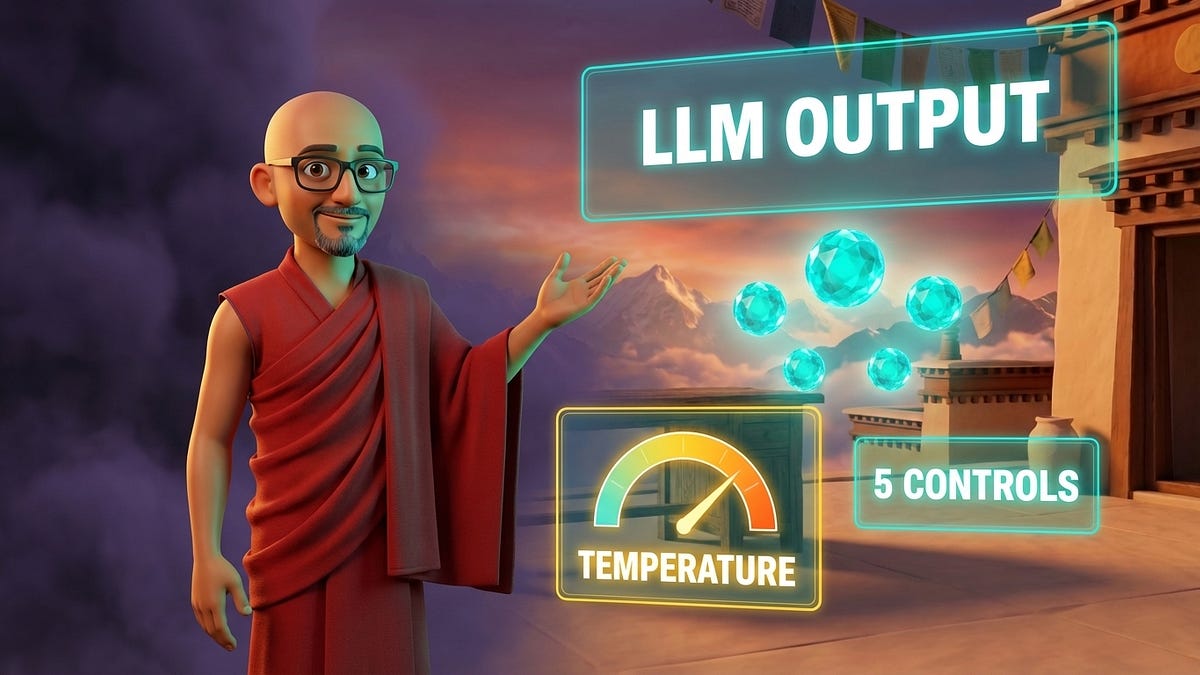
Advanced Patterns
3 lessons



3
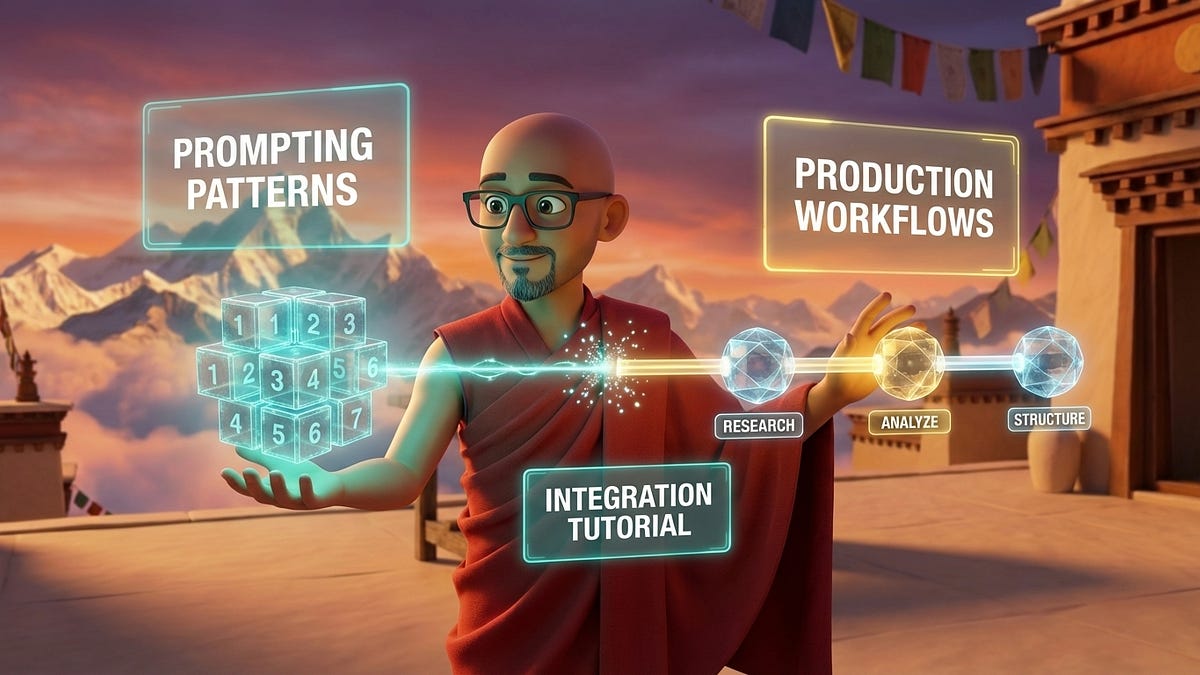
Production Patterns
3 lessons


Frequently asked questions
Which AI models does this cover?
The patterns work with any modern LLM: OpenAI, Claude, Gemini and open-source models. I show them mostly with OpenAI inside n8n workflows.
Is this specific to n8n?
No. The examples run in n8n, but the same patterns work anywhere you prompt an AI: Claude Projects, direct API calls or another automation tool.
Do I get copy-paste prompts?
Yes. Every lesson includes prompt templates you can copy and adapt for your own workflows.
How is this different from generic prompt guides?
It runs in order. Each lesson adds one technique on top of the last, from how an LLM reads a prompt to chain-of-thought and RAG, and lesson 9 uses them together in a working competitor analysis workflow.
Can I get support?
Yes. Join my community on Substack and ask there. I answer questions and share extra tips, and paid members get priority support.
Start with lesson 1
Each lesson builds on the one before it, so the first lesson is the right place to begin.